Independent accounts and recorded material emerging from northern Iran point to a severe and intentional use of force by state security units against civilians during recent unrest. In Rasht, one of the country’s busiest commercial districts reportedly became the scene of a coordinated assault during nationwide demonstrations.
Background of the Incident
During the intensification of protests on January 8–9, 2026, security and law enforcement units were deployed in large numbers around Rasht’s central areas, including its historic marketplace. What unfolded over the course of those two days suggests a planned security operation rather than a spontaneous response to unrest.
Multiple sources present at the scene describe actions taken by state forces that placed civilians in immediate and extreme danger.
Sequence of Events
As demonstrators moved through the city toward the central bazaar, security forces attempted to disperse crowds using tear gas. When this failed, more heavily armed units reportedly entered the area.
Witnesses state that several access points to the bazaar were sealed while fires were ignited inside enclosed sections of the market. Thick smoke rapidly filled the space, leaving those inside with few options for escape.
As individuals attempted to flee the burning area, live ammunition and shotgun pellets were allegedly fired toward exits. Several people reportedly fell while running, while others were struck despite showing no signs of armed resistance. Some accounts indicate that individuals had their hands raised when shot.
Testimonies from the Ground
Survivors and bystanders describe chaotic scenes in which people were overcome by smoke, flames, or gunfire within a short time span. Audio and video recordings from the night of January 8 capture prolonged shooting and frantic voices reporting injuries and deaths.
Others recount being cornered in narrow passageways as fires advanced, with no emergency response available despite repeated calls for help. Some reported being fired upon from behind after leaving the immediate protest area.
Physical and Visual Documentation
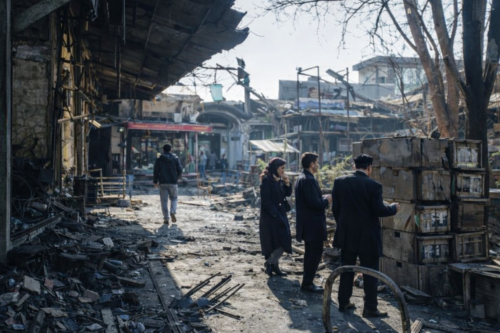
Photographs taken after the incident show burned storefronts and extensive damage inside the bazaar. In several images, shoes and personal belongings are seen scattered near entrances and alleyways, believed to belong to people who fled suddenly or did not survive.
Additional footage documents widespread fire damage inconsistent with accidental causes, reinforcing accounts of deliberate destruction within a civilian marketplace.
Legal and Human Rights Implications
Setting fires in a crowded civilian location, preventing safe exit, and using live ammunition against unarmed individuals constitute serious breaches of international human rights obligations, particularly protections related to the right to life and humane treatment.
When such actions form part of a broader pattern or are carried out methodically, they may meet the threshold of crimes against humanity under international law.
Final Assessment
The events in Rasht cannot be dismissed as an isolated confrontation or a breakdown in crowd control. The consistency of eyewitness accounts, visual material, and the nature of the damage point toward an intentional operation in which civilians bore the brunt of state violence.
Recording and preserving these testimonies is essential. Silence or inaction by the international community risks eroding fundamental human rights norms and enabling the continued targeting of civilians without consequence.