September 23, 2025
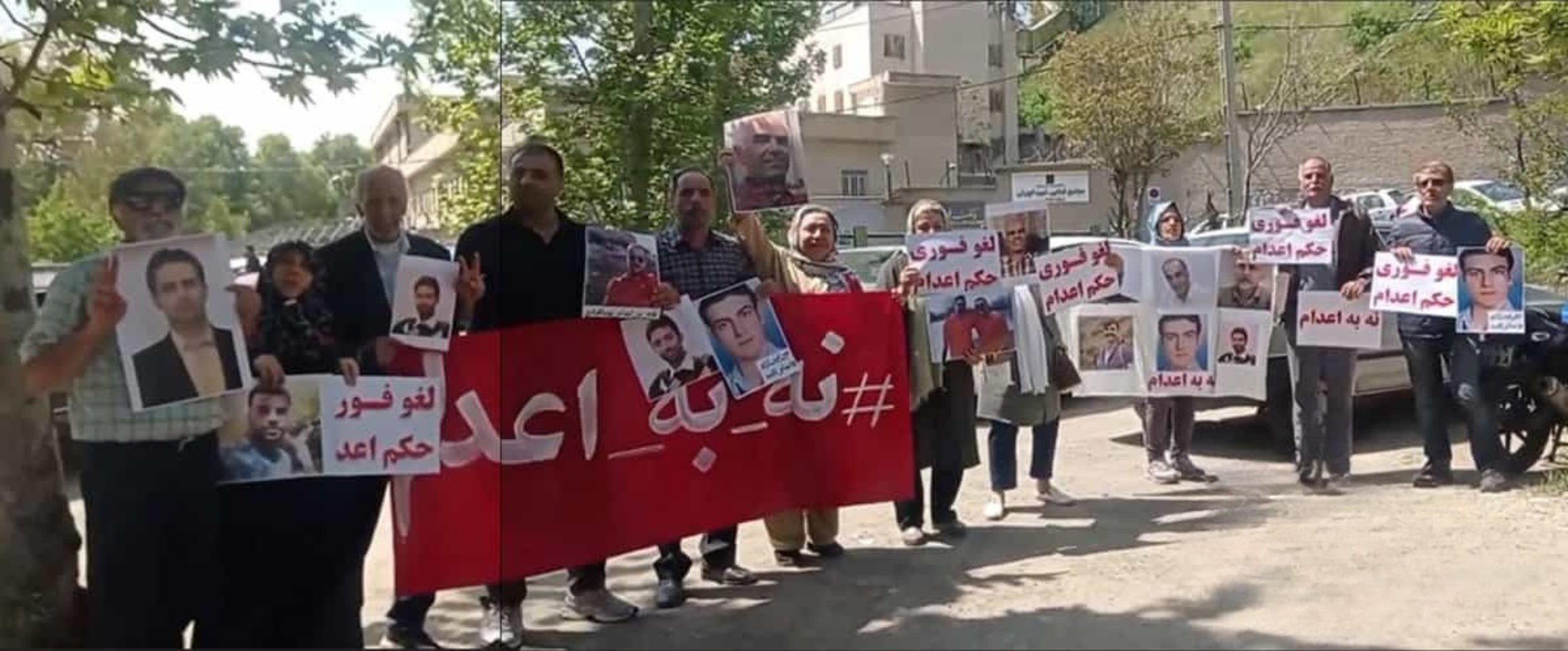
Tuesday marked the 87th consecutive week of a growing grassroots movement across Iran’s prison system. Known informally as “No to Execution Tuesdays,” this peaceful campaign now spans 52 prisons, where prisoners and their families are standing together in protest of the widespread use of the death penalty.
This week’s events were marked by renewed grief and protest following the execution of Babak Shahbazi, a prisoner involved in the campaign. He was reportedly executed without warning or the chance to say goodbye to his family—a deeply distressing violation of both human rights and basic standards of humane treatment.
A Cry for Dignity: The Case of Babak Shahbazi
In a statement released this week, those connected to the campaign described Babak Shahbazi’s execution as an act of cruelty, noting that he was secretly transferred from his prison ward before being hanged. His fellow inmates at Ghezel Hesar Prison reportedly held a sit-in protest in response.
The secrecy and denial of a final visit with his family underscore the ongoing lack of transparency and due process surrounding capital punishment in Iran.
Families Bear the Weight of the Death Penalty
Since the early days of this peaceful protest movement, families of those on death row—especially mothers—have played a vital role in keeping the campaign alive. Despite ongoing intimidation, many relatives continue to appear publicly, speak out, and join vigils, refusing to be silenced.
These families bring an urgent human dimension to the crisis. Their heartbreak is not abstract—it is visible in their faces, their words, and their weekly gatherings.
One mother, attending a recent protest, said:
“We are here for the lives of our children. Every rising noose burns a mother’s heart and deepens the wounds of society.”
Solidarity From Inside and Outside the Prison Walls
The No to Execution Tuesdays campaign represents a rare and powerful form of solidarity between those incarcerated and those waiting anxiously outside. In prisons such as Evin, Ghezel Hesar, Rajai Shahr, and Qarchak, detained individuals are reportedly engaging in peaceful hunger strikes, moments of silence, and other nonviolent forms of resistance.
Outside the prison walls, their families gather weekly to share their stories, raise public awareness, and demand an end to the executions that have claimed so many lives—often without fair trial, legal representation, or transparency.
A Human Rights Crisis
Iran continues to have one of the highest execution rates per capita in the world, with hundreds of individuals put to death each year, including many convicted under vague or politically charged allegations, often in trials that fail to meet international legal standards.
The use of the death penalty in this manner violates Article 6 of the International Covenant on Civil and Political Rights (ICCPR), which states that the death penalty, where it exists, must only be applied under the strictest of conditions and following a fair and transparent judicial process.
The continued execution of prisoners without notice, legal safeguards, or the opportunity for final family contact constitutes a cruel and inhumane practice—one that causes lifelong trauma to the families left behind.
A Call to Action
As a human rights organization, we urge:
- The international community, including the United Nations, to monitor and report on the growing use of capital punishment in Iran.
- Governments and civil society to demand an immediate moratorium on executions, particularly those carried out without due process.
- Support for the families of prisoners, who are courageously defending life, dignity, and justice in the face of threats and repression.
Human Dignity Must Prevail
The voices of grieving families and protesting prisoners must not go unheard. Their weekly gatherings are more than a protest—they are a plea for life, for compassion, and for accountability.
The continuation of mass executions and denial of basic rights is not simply a legal issue—it is a humanitarian emergency. The world cannot afford to look away.