Please Donate

Why Your Gift Matters Now

These are not distant stories. They are real people — and they need action, not silence.
Your donation allows us to:
- Intervene when lives are at risk from execution or political persecution
- Support survivors of human rights abuses as they heal, rebuild, and integrate into British society
- Campaign to stop executions and prevent further atrocities in Iran and the wider region
- Promote the rights of women, children, and persecuted minorities through advocacy and awareness

Help Us Be Their Voice and Support victims of Human Rights abuses

Every day, ordinary people risk everything for the simple right to speak freely, live without fear, and build a future with dignity. Some flee persecution, arriving here with nothing but trauma and hope. Others remain imprisoned, silenced, or forgotten.
At the International Liberty Association, we stand beside them—supporting victims of Human Rights abuses in the UK, campaigning to prevent executions, and fighting for justice where it’s been denied.
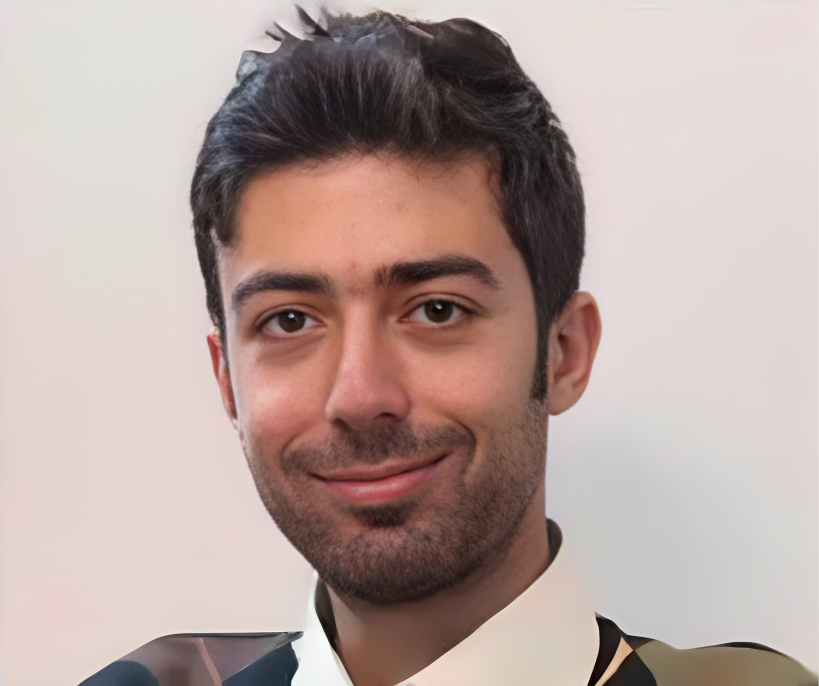
Vahid Bani Amerian
Vahid Bani Amerian, 32, is an activist and graduate of Khajeh Nasir Toosi University of Technology in Tehran, holding a master’s degree in management. Originally from Sanandaj, Kermanshah, he was first sentenced in December 2018 to five years in prison for “propaganda against the regime and insulting the leadership.”
Re-arrested in March 2019, he later received a 10-year prison term and 2 years of exile on charges such as “acting against national security,” “propaganda against the regime,” and “conspiracy and collusion.” On December 22, 2023, agents of the Ministry of Intelligence arrested him again, reportedly subjecting him to physical assault before transferring him to Evin Prison. After four months in Ward 209, he was also charged with rebellion.
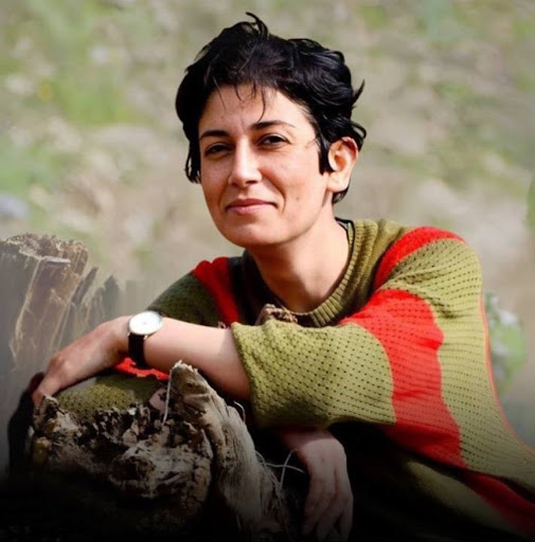
Pakhshan Azizi, a 39-year-old
Kurdish women’s rights activist from Mahabad, was sentenced to death and four years in prison after nearly a year in detention. A social work graduate from Allameh Tabatabai University, she was arrested in August 2023 in Tehran and convicted of “rebellion,” a broad political charge, by Tehran’s Revolutionary Court.
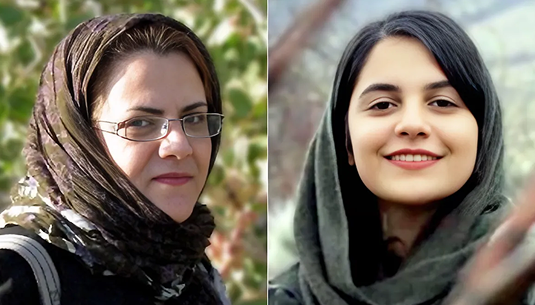
Marzieh and Forough
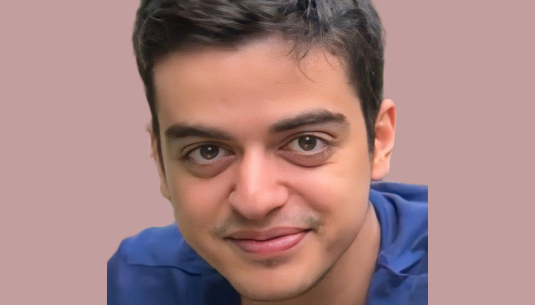
Ali Younesi
A distinguished student at Sharif University of Technology and gold medalist at the 2018 International Astronomy Olympiad, was arrested in April 2020 alongside fellow student Amirhossein Moradi. Both were accused of alleged ties to opposition groups and sentenced to 16 years in prison. Throughout their detention, they have reportedly endured torture, denial of legal counsel, and forced confessions. In June 2025, Ali was forcibly transferred to an undisclosed location, raising serious concerns about his safety and well-being.
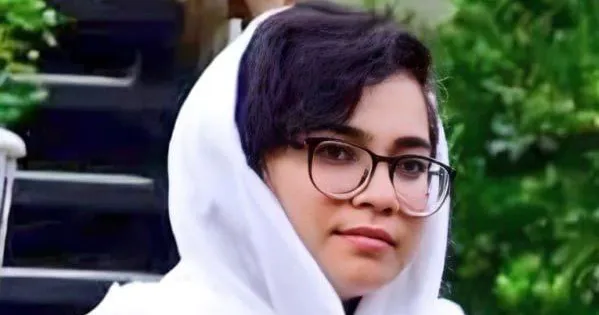
Arghavan Fallahi
Arghavan Fallahi is a young activist and political prisoner who was arrested in Tehran on January 25, 2025. She endured over six months of solitary confinement, intense interrogations, and both psychological and physical torture under the supervision of the IRGC and Judiciary Intelligence.
Initially held in Ward 241 of Evin Prison and later in Fashafouyeh Prison, she was denied access to her family and lawyer, with authorities setting an unpayable bail to block her release. In August 2025, she was transferred to Qarchak Prison, one of Iran’s most notorious facilities known for its overcrowding, unsanitary conditions, and violence against inmates.
Despite the transfer ending her solitary confinement, Arghavan continues to face restrictions, isolation, and deteriorating health, reflecting the broader persecution of political prisoners in Iran.
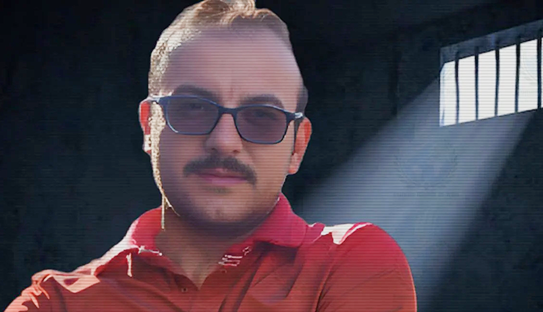
Pouya Ghobadi
An electrical engineer and musician, faces imminent execution for his beliefs. A creative and educated man, he now suffers under a system where art and ideas are treated as threats. His arrest and trial involved coerced confessions, limited legal access, and serious due process violations.
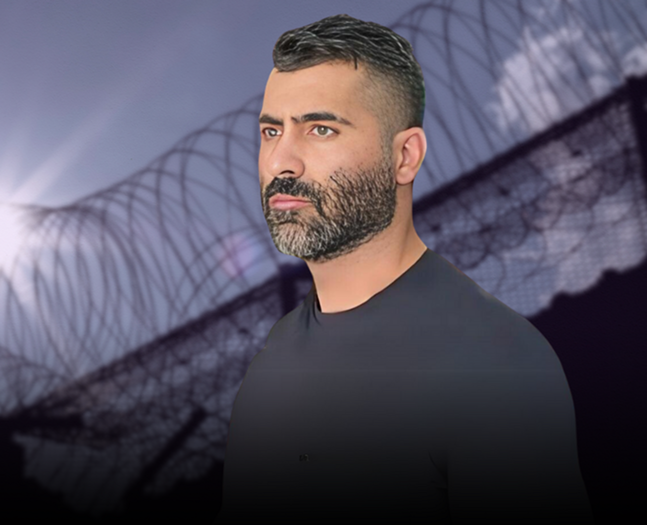
Manouchehr Fallah
A political prisoner, has been sentenced to death by the Revolutionary Court of Rasht after 18 months of legal uncertainty. Arrested on June 17, 2023, solely for writing a book on human rights, he was later accused of moharebeh (waging war against God) for allegedly damaging judicial and IRGC buildings.
His trial, held via video conference, denied him legal representation, with his lawyers blocked from defending him. Despite completing a previous 13-month sentence for “insulting Ali Khamenei” and “propaganda against the regime,” he remains in Lakan Prison. Human rights groups urge international action to stop his execution.
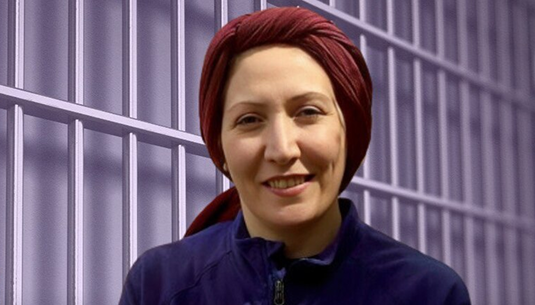
Sharifeh Mohammad
A few days ago, my two sons and my daughter were arrested in Iran by the Revolutionary Guards — without any prior notice and completely unexpectedly.
No explanation was given, no warrant was shown, and we were not even informed where they were being taken. Since that day, we have had no contact with them and no information about their whereabouts.
Only silence… and fear.
I do not know what their current situation is — whether they are safe or under pressure. For us, every single day and night has been filled with tears and waiting.
These days, the regime has launched a frenzied and brutal crackdown.
As a mother, I implore everyone — and all human rights organizations — to be my voice, and the voice of my children.
Sara*(mother of three political prisoners)
*Her name has been changed for security reasons
Please help prevent a massacre. With our help, let’s be their voice when their voices are not heard.
What Your Gift Supports
With 96% of every donation going directly to frontline services, your support enables us to:
- Campaign Against Injustice – Mobilise international attention and legal advocacy to protect prisoners at risk of execution.
- Support Survivors – Provide trauma-informed counselling, safe housing referrals, and peer-led recovery programmes.
- Rebuild Lives in the UK – Offer English classes, digital skills training, and employment pathways to newly arrived victims of Human Rights abuses.
- Empower Youth and Prevent Isolation – Run leadership workshops and community engagement events for young people.
- Amplify Silenced Voices – Share the stories that regimes try to bury—fueling awareness and action.