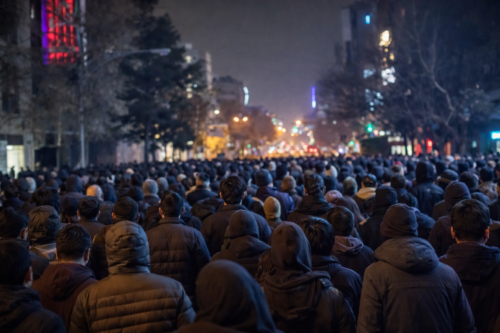
As widespread unrest across Iran enters its 25th consecutive day, civilians are facing an escalating humanitarian crisis marked by lethal force, mass arrests, and a prolonged nationwide internet blackout. Security forces have intensified their presence in cities and towns, deploying military convoys and heavy weaponry in residential areas while cutting off access to communication, medical care, and basic civil protections.
Widespread Civilian Casualties and Medical Insecurity
Information emerging from inside the country points to a growing civilian death toll. Local sources from Shahin Shahr in Isfahan province report that at least 186 people have been killed and hundreds more injured during the recent weeks of unrest. In nearby Mobarakeh, multiple civilians were reportedly killed over the course of two days in early January. Witnesses describe snipers firing from elevated government buildings into populated areas, resulting in fatalities and severe injuries among unarmed residents.
In Tehran’s western districts, residents report nightly gunfire and a climate of fear that has pushed the wounded out of hospitals and into private homes for treatment. Families fear arrest or reprisals if injured individuals seek formal medical care. As a result, many people are being treated without proper equipment, increasing the risk of infection, disability, or death.
In Kermanshah, one particularly harrowing incident illustrates the indiscriminate nature of the violence: a young protester injured by birdshot collapsed in the street. When his father attempted to help him, he was shot and killed at close range. Similar patterns of lethal force have been reported in other cities, including Mahshahr, where families of victims have faced pressure to accept false official narratives about how their loved ones died.
Women and Children Among the Dead
Among the latest confirmed victims are women and minors, highlighting the indiscriminate impact of the repression. At least 12 women and several children are included among the newly identified fatalities. Two of the youngest victims were a 15-year-old boy from Kermanshah and a 16-year-old from Isfahan. The victims come from cities across the country, from northern provinces to the south, underscoring the nationwide scale of the crisis.
Escalation Toward Mass Executions
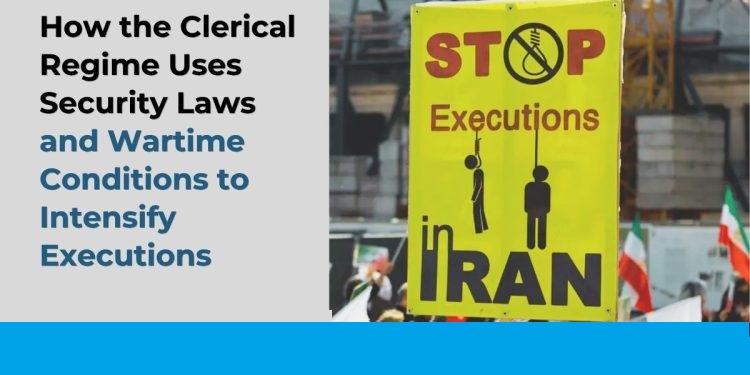
Authorities have signaled a further escalation by calling for expedited trials and harsh sentencing of detainees. Senior judicial officials have publicly instructed courts to issue “quick and decisive” verdicts and to pursue the most severe charges available, paving the way for long prison sentences and executions. These directives raise serious concerns about due process, fair trials, and the imminent risk of state-sanctioned killings.
At the same time, internal warnings have surfaced in state-affiliated media, acknowledging that widespread poverty and hunger cannot simply be dismissed as “disorder” and that prolonged internet shutdowns are deepening economic collapse and social instability.
Information Blackout and International Alarm
Iran remains under a near-total internet blackout, now lasting over 300 hours, according to independent monitoring groups. This communications shutdown has severely hindered emergency coordination, access to information, and the ability of families to locate detained or injured relatives. It has also raised alarm internationally, as it appears designed to conceal the scale of human rights violations.
International reactions have grown increasingly urgent. Officials abroad have condemned the use of military-grade weapons against civilians and warned that the state’s actions amount to collective punishment of the population. European leaders have announced preparations for additional sanctions, citing grave human rights concerns and the targeting of ordinary citizens.
A Nation Under Siege
The ongoing repression — marked by live ammunition, mass arrests, medical intimidation, and enforced silence — has transformed large parts of Iran into zones of humanitarian emergency. As the fourth week of unrest begins, civilians continue to bear the brunt of state violence, with women, children, and the elderly among the dead and injured.
Despite concrete barriers, communication blackouts, and judicial threats, the scale of civilian suffering has drawn growing international scrutiny. The unfolding situation presents not only a political crisis, but a profound humanitarian emergency demanding urgent global attention.