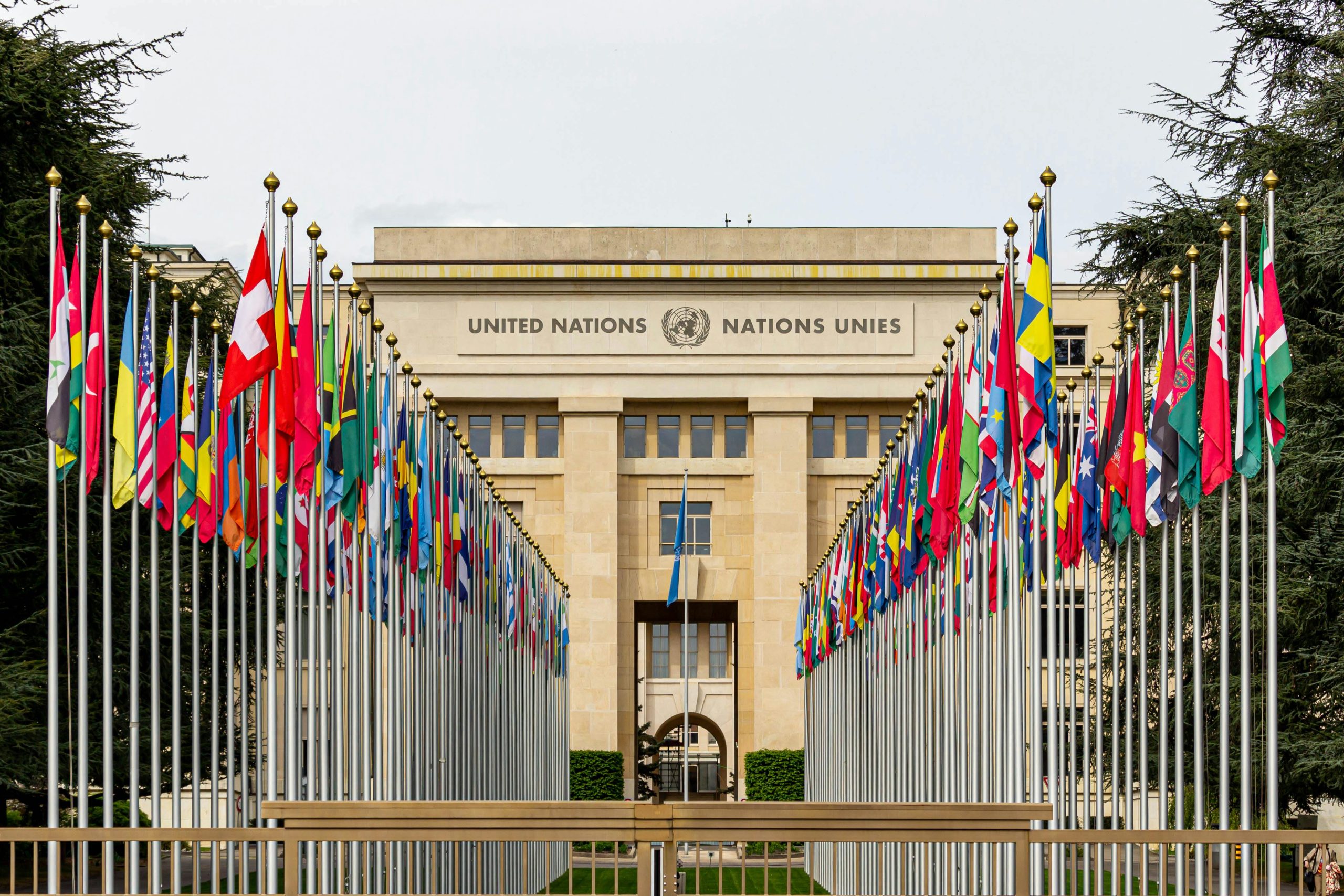
Geneva – August 29, 2025 — The United Nations High Commissioner for Human Rights has called on Iran to immediately cease all executions and to adopt a moratorium on the use of the death penalty, following a sharp rise in executions this year.
According to the UN, at least 841 individuals have been executed in Iran between January and August 2025, making it the second-highest executor in the world and the highest per capita. The UN described this as part of a “systematic pattern” in which capital punishment is used as a tool of state control and intimidation.
In his statement, UN Human Rights Chief Volker Türk expressed deep concern over:
- The use of the death penalty following trials that violate fair trial standards, including lack of access to legal counsel and due process
- Executions for non-violent drug offenses, which do not meet the international threshold of “most serious crimes”
- Disproportionate targeting of ethnic minorities and migrants
- Cases involving juvenile offenders, which are strictly prohibited under international law
- Sentences based on vague or politically motivated charges
The UN emphasized that the death penalty is incompatible with the right to life, carries an unacceptable risk of wrongful executions, and should never be used to punish protected conduct such as peaceful expression or association.
The UN has also raised urgent concern about individuals facing imminent execution, including those convicted in connection with past protests and others charged under broad national security laws.
Call to Action
The UN Human Rights Office reiterated its call for Iran to:
- Immediately halt all executions
- Commute all existing death sentences
- Establish a moratorium on the use of capital punishment as a step toward full abolition
The UN joins the broader international community in urging compliance with international human rights law, including obligations under the International Covenant on Civil and Political Rights, to which Iran is a party.