Over the three weeks following the outbreak of the nationwide uprising in Iran, the country has descended into one of the most severe periods of state violence seen in recent decades. As demonstrations expanded across cities and provinces, the Islamic Republic mobilised its full security, judicial, and military machinery with extraordinary speed. The response has been marked by mass detentions, systematic torture, accelerated executions, and the lethal use of force against civilians. Statements by senior officials, reports from state-affiliated media, and eyewitness testimony together reveal that this violence is not incidental, but the result of a coordinated state strategy.
Open Endorsement of Repression by State Authorities
Rather than denying responsibility, Iran’s leadership has publicly defended and threatened continued repression. In a televised interview on 17 January 2026, judiciary official Ali Salehi stated that the state’s response to protesters would be “firm and deterrent,” confirming that large numbers of protest-related cases had already been sent to court. These remarks make clear that the judiciary is expediting harsh sentences rather than restraining state violence.
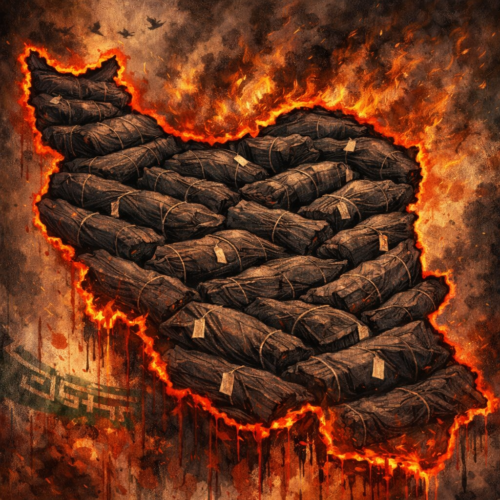
On the same day, Supreme Leader Ali Khamenei delivered a speech calling for the rapid punishment of what he described as “domestic offenders,” while blaming “foreign enemies” for the unrest. Most strikingly, he acknowledged for the first time that several thousand people had been killed during the protests—an admission reported only by international outlets. Yet, in line with long-standing patterns, responsibility was deflected away from state forces.
Executions at an Unprecedented Pace
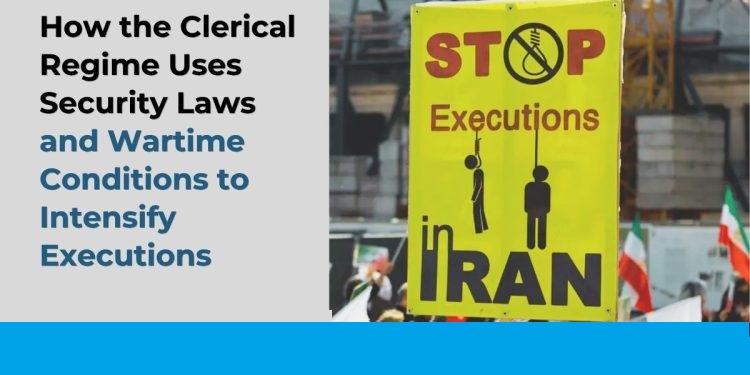
Alongside street-level repression, executions have surged at an alarming rate. In the first two weeks of protests, at least 143 executions were recorded. During the following six days alone, 68 additional executions took place across prisons nationwide, including the execution of two women. This brings the total to at least 211 executions in three weeks—an average of one execution every two hours. Rather than slowing, the pace has intensified, demonstrating the regime’s intent to rule through fear.
Mass Arrests and Enforced Disappearances
The scope of arrests is so vast that even state media have acknowledged fragments of it. Official sources have confirmed thousands of detentions in provinces such as Gilan and cities like Mashhad. The Ministry of Intelligence has admitted to arresting and summoning members of the Baha’i community explicitly in connection with the protests. Independent sources estimate that more than 50,000 people have been detained nationwide.
These figures, however, reflect only a fraction of the reality. Reports describe night-time raids, warrantless arrests, incommunicado detention, and torture. Families are routinely denied information about the fate or whereabouts of loved ones.
Killings Beyond the Streets
Evidence indicates that violence has extended into hospitals, where wounded protesters receiving medical treatment have been killed. Images showing bodies transferred while still attached to medical equipment strongly suggest deaths occurred under medical care, in direct violation of legal and medical standards.
Eyewitness accounts from across Iran—from Tehran and Shiraz to Kermanshah, Mashhad, and Marvdasht—describe mass shootings, denial of bodies to families, forced night burials, and the use of military-grade weapons against civilians. Parents recount being coerced into falsifying the cause of their children’s deaths or prevented from holding funerals.
An Urgent International Responsibility
What is unfolding in Iran constitutes a large-scale humanitarian disaster and, by the regime’s own admissions, crimes against humanity. The international community bears an urgent responsibility to act. Immediate steps must include independent UN investigations, international accountability mechanisms, sustained diplomatic pressure to halt executions, unconditional release of detainees, protection of victims’ families, and rigorous documentation of crimes.
Without decisive action, the scale of suffering in Iran will continue to grow—measured not only in numbers, but in lives systematically erased.