The Death Penalty in Iran – A Tool of Fear, Not Justice
In Iran, the death penalty is wielded not as a form of justice but as a calculated tool of political repression. Rather than uphold the rule of law, the regime uses executions to silence dissent, intimidate ethnic and religious minorities, and instil fear in the population. Trials are often held in secret, with defendants denied legal representation and convicted based on forced confessions. Charges like “enmity against God” and “corruption on Earth” are intentionally vague, allowing the state to eliminate critics at will. Children, protesters, and ordinary citizens can all become targets. This is not justice — it is state violence in its most final form.
At-Risk Voices – Brave Lives in the Shadow of Execution
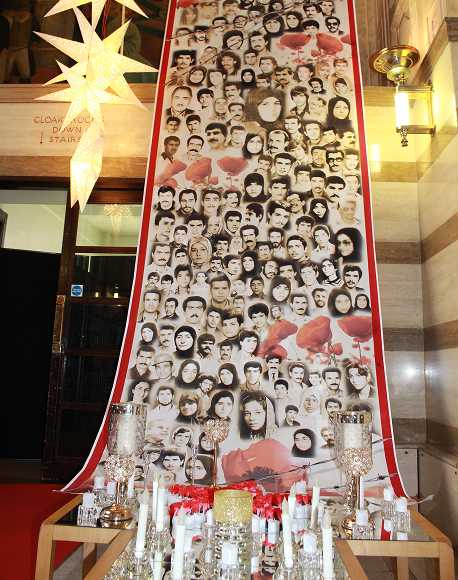
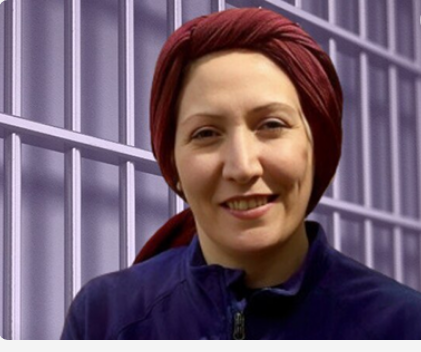
Those facing execution in Iran are often peaceful individuals whose only crime is demanding freedom. Political prisoners like Sharifeh Mohammadi were arrested on vague charges and denied fair trials, condemned for their activism or associations. Many others — writers, ethnic minorities, environmentalists, and even teenagers — await execution in silence. Yet within these prisons, a quiet resistance continues. Movements like No to Execution Tuesdays, often led by the prisoners themselves, challenge the regime’s brutality from within. These are not faceless cases; they are voices of defiance that call on us to act.
What You Can Do – How ILA Defends Life and How You Can Help
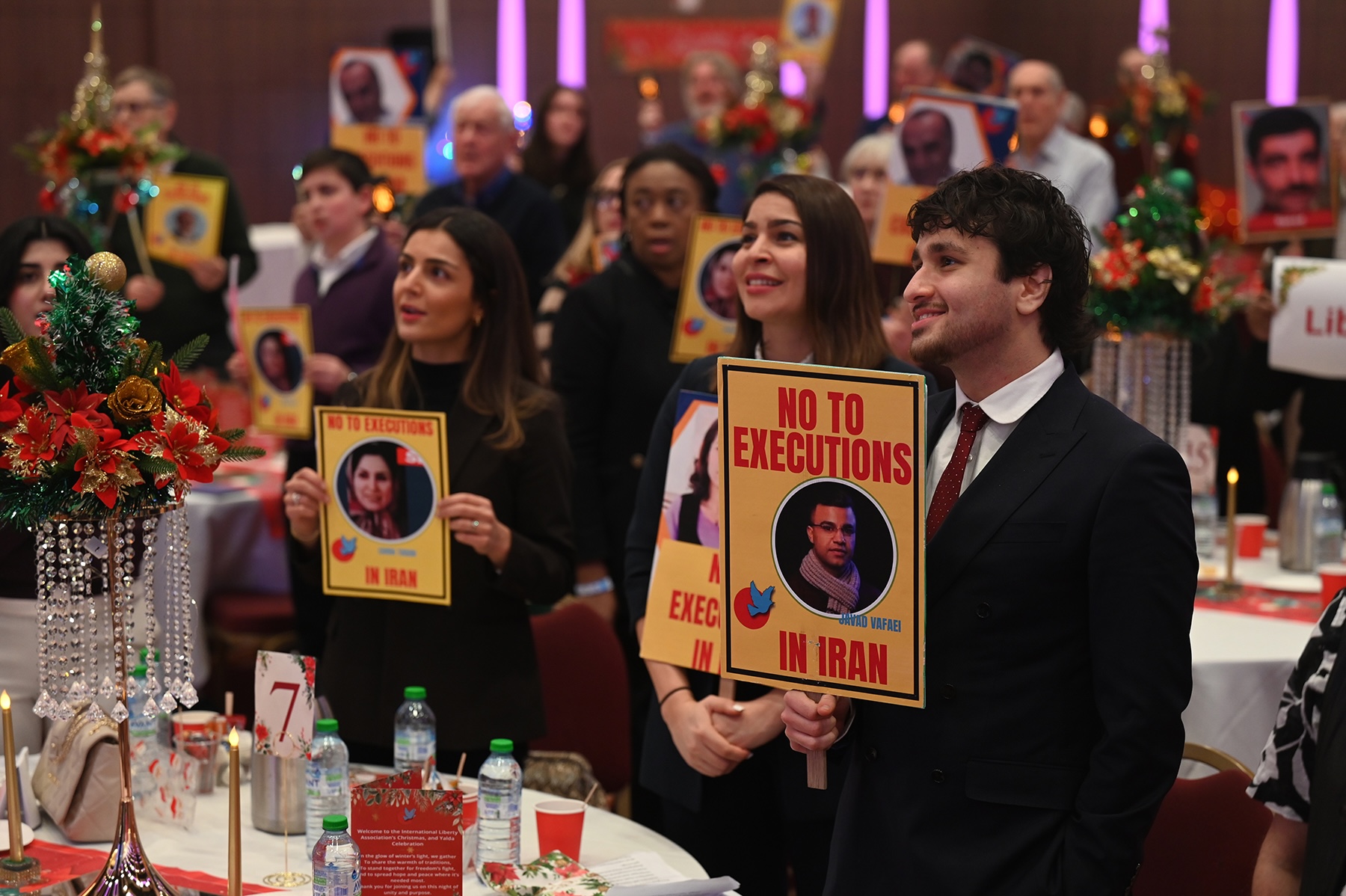
The International Liberty Association works tirelessly to defend those at risk of execution in Iran. We respond rapidly to urgent cases, launching advocacy campaigns, media alerts, and petitions to mobilise international pressure. We also support the families of prisoners, many of whom are targeted themselves, offering both moral and practical help. Through ongoing engagement with parliamentarians, NGOs, and the public, we expose injustices and push for accountability. Our rallies, conferences, and outreach efforts ensure that these prisoners are not forgotten. You can be part of this effort — to save lives and uphold the value of every human voice.
Women in Iran face deeply rooted, institutionalised oppression that governs nearly every part of their lives
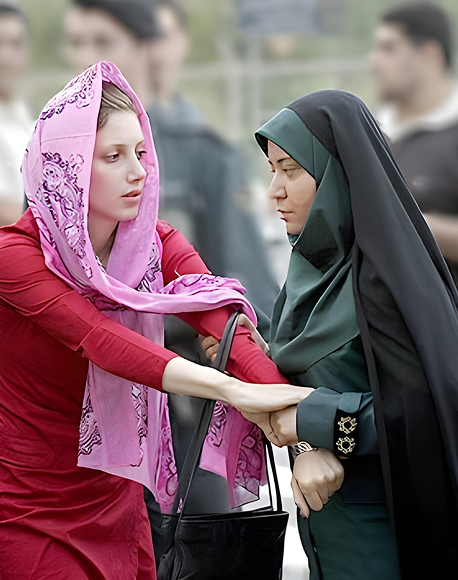
A vast enforcement network of 27 agencies—including the notorious morality police—police strict dress codes like the compulsory hijab. Women are regularly harassed, arrested, or violently punished for perceived non-compliance. Beyond appearance, legal inequalities persist in marriage, divorce, and inheritance laws, where women’s voices carry less legal weight than men’s. This systemic misogyny not only restricts freedoms but exposes women to daily violence and humiliation.
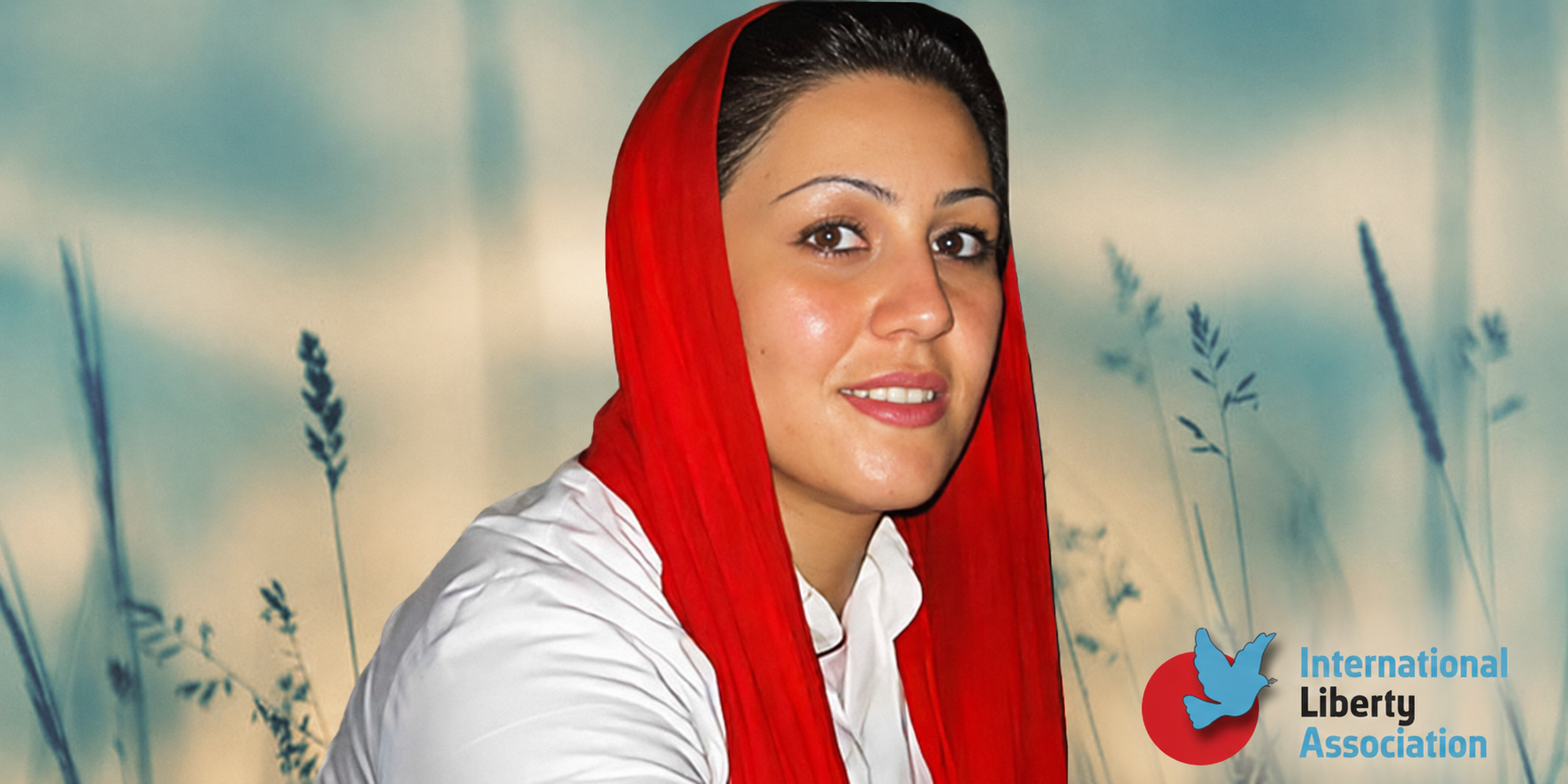
Maryam Akbari Monfared – Free After 17 Years of Unjust Imprisonment
Maryam Akbari Monfared, imprisoned since 2009 for seeking justice for her executed siblings, was finally freed on April 8, 2026, after 17 years behind bars — without a single day of leave. Despite enduring solitary confinement, denial of medical care, and being separated from her children, she never stopped demanding justice. Her courage and persistence made her a symbol of resistance — and a target of a regime that fears truth-tellers. Her release is a victory for all those who refused to stay silent.
This brutality is not limited to a few high-profile cases—it is widespread and deliberate
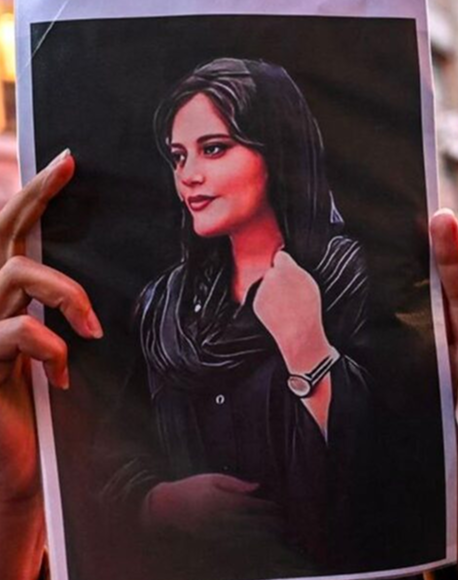
After the killing of Mahsa Amini in 2022, Iranian women led protests demanding freedom and dignity. The regime responded with a wave of arrests, torture, and even executions. Girls as young as school age were monitored through facial recognition, tracked via surveillance, and punished for defying dress codes. Through both violence and technology, Iran’s leadership wages a war against women’s autonomy—and yet, the fightback continues, led by the women themselves.
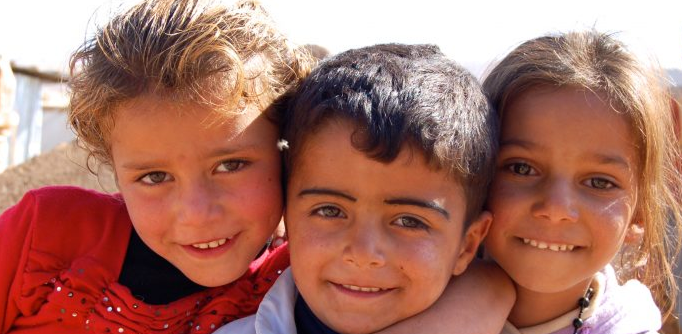
Campaign for Children’s Rights
Child Marriage:
The law allows girls to be wed at the age of 13. If she’s 9, it’s still allowed if a judge or the father approves.
Sending Children to War:
Thousands of children are sent to conflict zones. Death and paralysis are the inevitable consequences.
Child Labour:
Children suffer physical and psychological damage.